Art finds
its voice.
An encounter with images, words, and the people who bring them to life.
Giving art time for an encounter
An image makes us pause. A poem unsettles us. An artwork sometimes leaves a question open long after we have walked away. HAYTIBOBO dedicates this issue to that encounter: taking the time to look, to read, and to discover the people who give shape to our imagination.
In the spotlight, Raynald Beaufort, known as Rayza, moves between murals, canvas and tattooing. His colours fill walls, and his figures carry stories of everyday life. His tribute to the Caribbean’s market mothers invites us to recognise the dignity of women whose work sustains so many lives. His journey also reminds us how artistic creation can open a dialogue between Haiti and other Caribbean territories.
With Posesyon, Wilson Simeon, EWA, draws us into another medium: language, desire and spiritual presences. Haitian Creole unfolds its imagery and sonic power. We invite you to read these verses aloud, to listen to their rhythm, and to let them resonate.
This issue also opens a discussion. In his opinion piece, Chancy Victorin questions the compatibility of practising fine art and working as a content creator. Under what conditions does visibility serve an artwork? How can artists present their work while preserving their freedom and the time they need to create? These questions deserve multiple perspectives and a conversation that goes beyond immediate reactions.
Through this newsletter, HAYTIBOBO hopes to offer a space where artworks meet an attentive audience, where artists can be discovered across the diversity of their practices, and where reflection accompanies the pleasure of looking.
Thank you to the artists, writers, our partners, and you, our readers, who bring this encounter to life. May these pages inspire you to continue the conversation, discover an artwork, and support an artistic practice.
The HAYTIBOBO editorial team
Contemporary Haitian art, without borders.
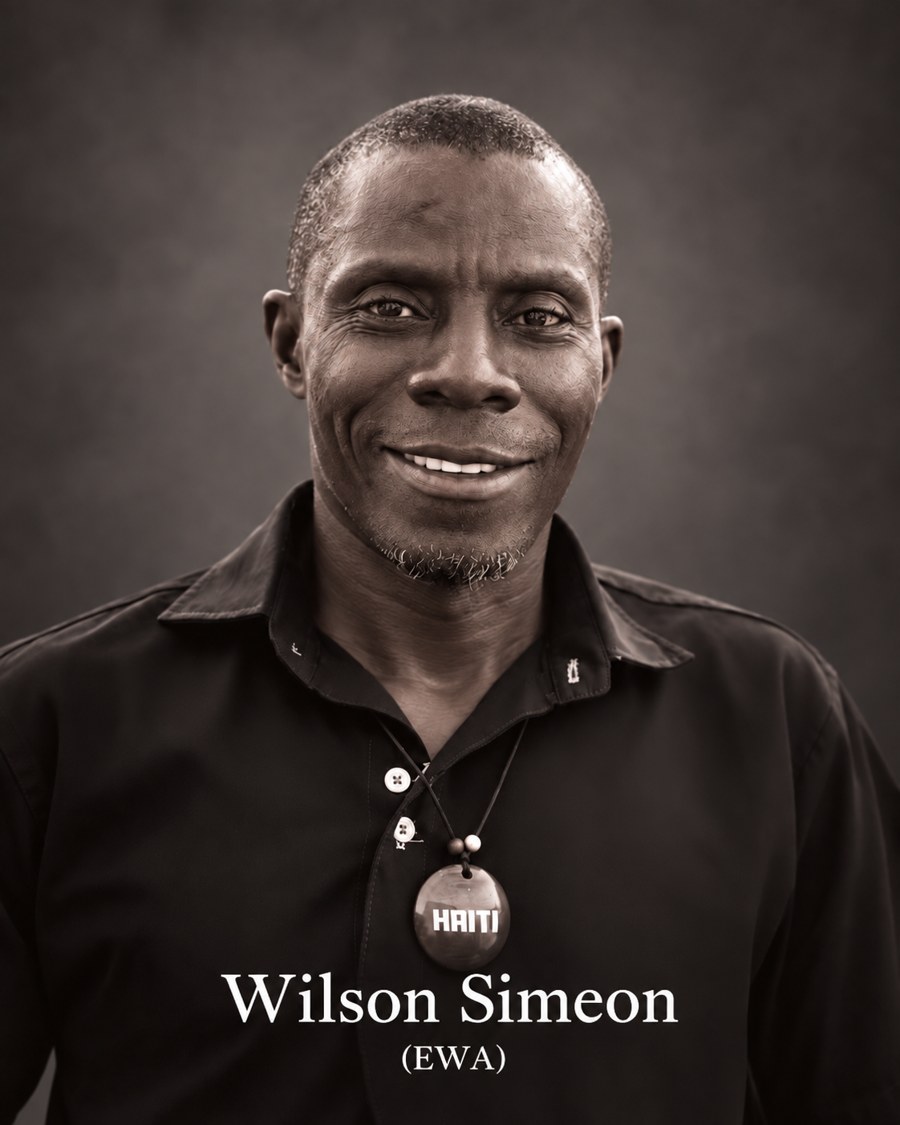 | Wilson |
Posesyon
Toujou koule, rete sèl lanmou
San anyen kannale, chaje bagay
Atrè w lave tout flègèdèk zagribay
Douvan baryè w mo m pete dife Ogou
Pwezi m poli bwa gayak manch wou w
Manche l domine m san kanpe
Zonbi ta monte m sekle jaden w
Wouze tout kwen anba je Avèlekete
Rantre file desann nan non Legba
Nan fyèl tè raboure l ak fòs Zaka
EWA!
WS/ 29.09.2026
Rayza
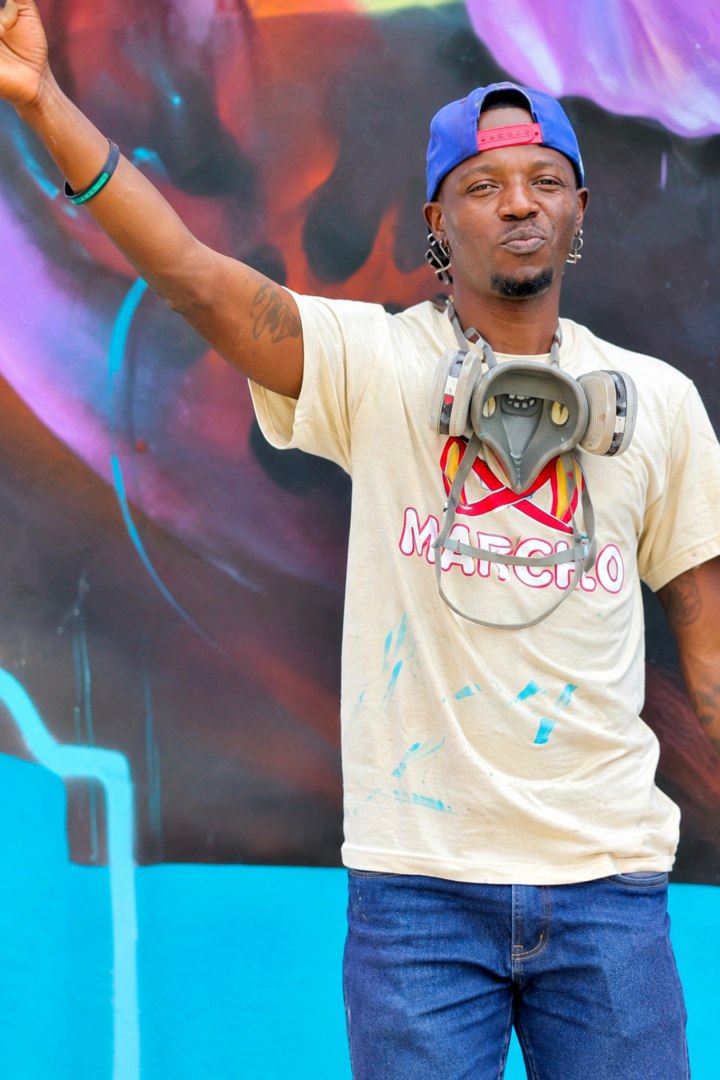
Colour as a connection
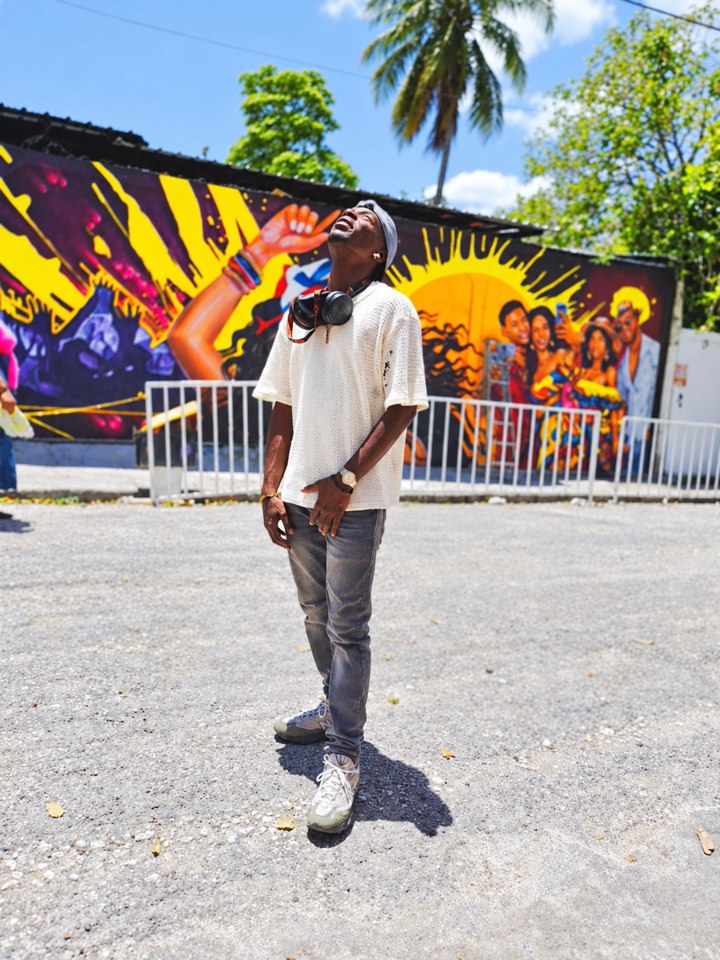
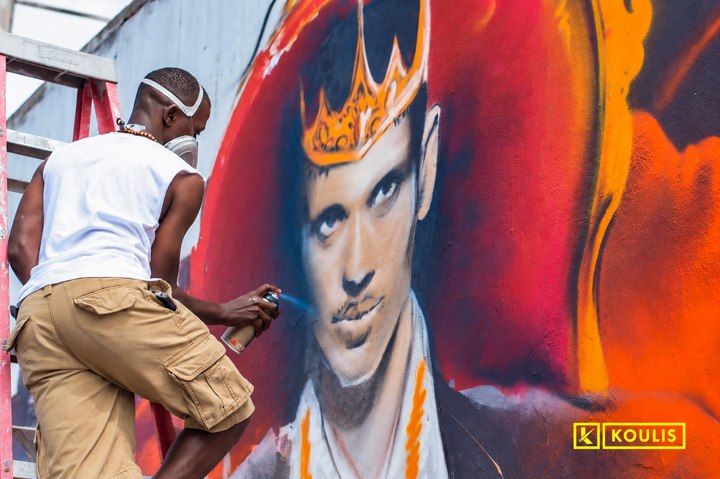
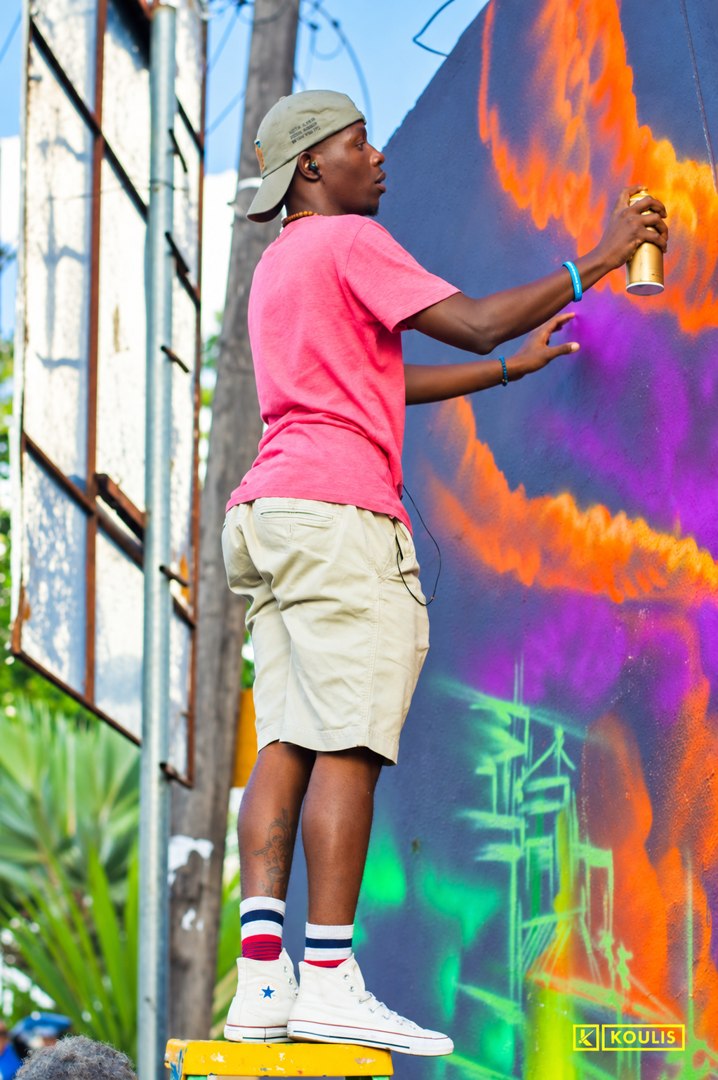
Raynald Beaufort, known as Rayza, is a Haitian graffiti, visual and tattoo artist who turns streets and canvases into spaces for storytelling, encounters and hope. Passionate about drawing since childhood, he trained at the École Nationale des Arts (ENARTS) in Port-au-Prince. Encouraged by graffiti artist Garry François, he painted his first mural in Thomassin and gradually transformed his passion into a professional practice.
His work combines the visual language of graffiti with a fine-art sensibility. Through vivid palettes, orange and pink gradients, and figures rooted in everyday life, he offers a luminous perspective on Haiti and its working-class neighbourhoods. A desire for peace and connection guides his practice.
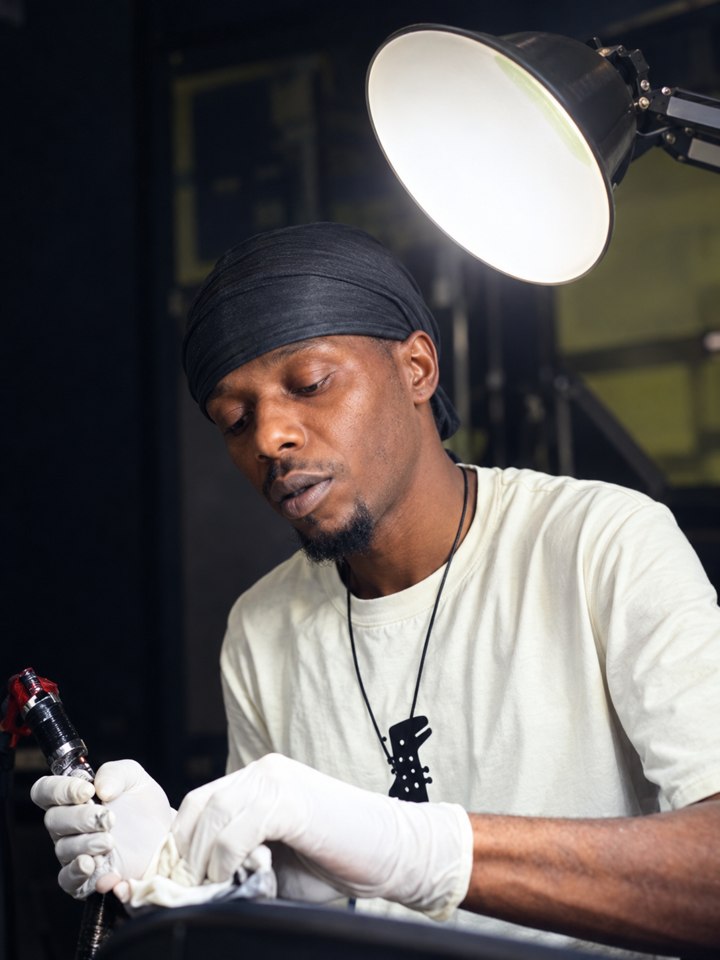
Rayza also practises tattooing, another facet of his work with images and drawing.
“sharing love in a world trapped by hatred”
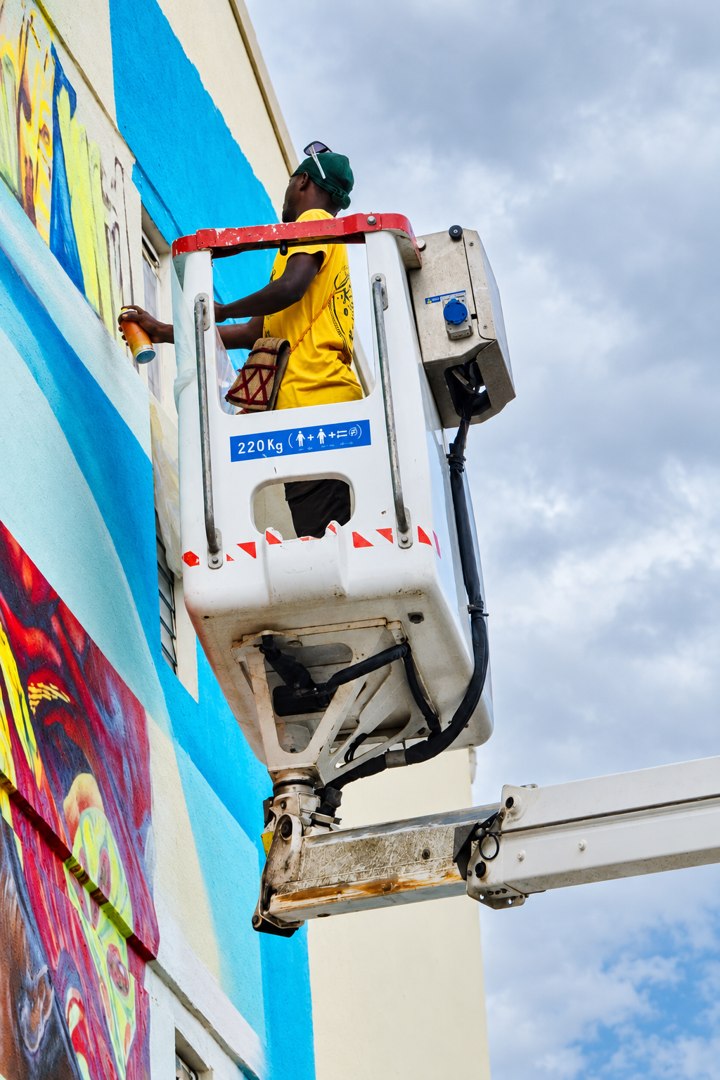
In February 2026, Rayza took part in the second edition of ArtMada Street in Fort-de-France, Martinique. Responding to the theme “Lyannaj Karayib”, he created a monumental mural dedicated to the Caribbean’s market mothers. This tribute to their courage and essential role extends a body of work centred on memory, dignity and the ties between Caribbean peoples.
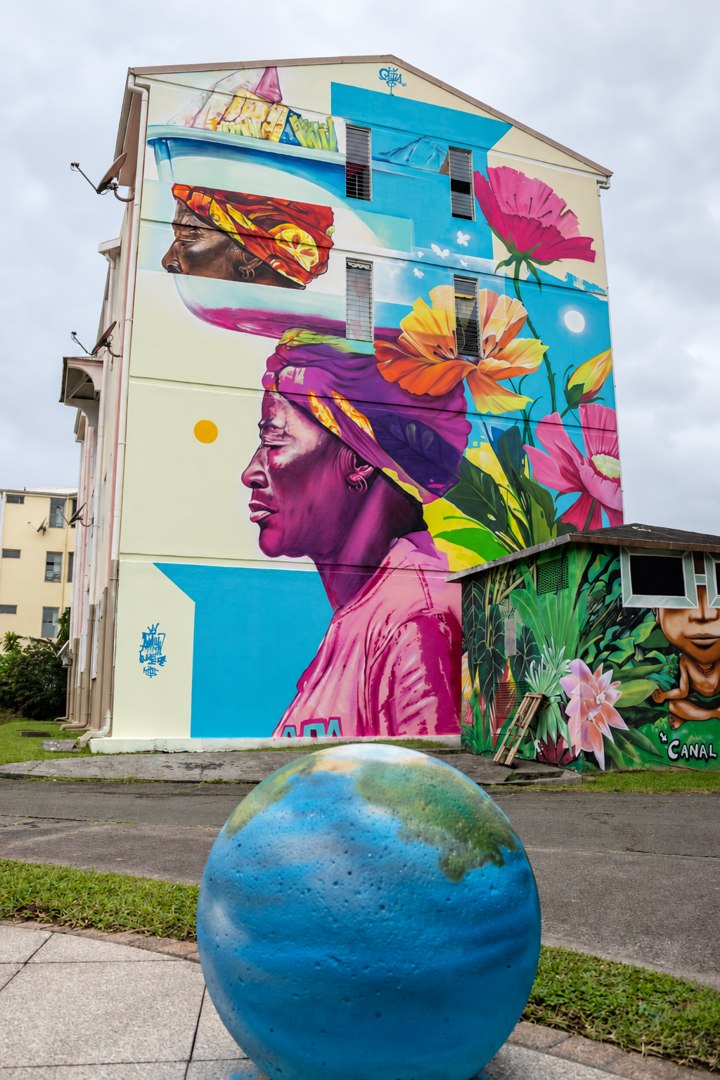
A tribute to the Caribbean’s market mothers.
Practising fine art and creating content: two compatible professions?
Some painters and sculptors privately admit that overexposing their work on Instagram and Pinterest does not necessarily increase sales. Instead, it puts their work before people unfamiliar with the subject, whose comments may diminish its perceived value. Let us be clear from the outset: the aim is not to discredit the internet, but to ask whether it always serves those who practise fine art.
However much one boosts the algorithm, a piece valued at $4 million is unlikely to find a buyer among internet users hunting for bargains. Fine art is a matter for connoisseurs: unlike craft, which is associated with accessibility, it tends towards elitism. Even today, museums and galleries know the collectors and dealers, and news of an exhibition travels through newsletters or email before reaching a specialist magazine. Hyperconnectivity follows an entirely different logic: once caught in the machinery of virality, nothing is published without checking its SEO. It is difficult to remain authentic when you have to please everyone.
A painter is, of course, entitled to have an account and talk about their art. The risk is that repeatedly displaying their skills may dilute their aura as an artist, exposing them both to plagiarism and to rejection by connoisseurs. Content creation is a profession in its own right, one that demands constant hype, whereas sculpture does not need it. Some visibility, yes, but not an abundance. Even a pseudonym, which sometimes protects an artist, can obscure their identity: audiences struggle to identify the author and follow their work over time.
Influencers have undeniable power: religion and politics make use of them. But they are geared towards immediate engagement, whereas an artwork needs rarity and solemnity to maintain its market value. An influencer can make an artist known; rarely can they preserve the value of that artist’s work.
Art Basel Miami nevertheless seems to contradict this argument. Choosing this “bling-bling” city was a strategy for selling contemporary art to ambitious new money, less demanding than established fortunes reluctant to embrace current changes; without Instagram, the buzz would not have reached the same scale. Yet this requires substantial resources that emerging artists lack, and not everyone exhibits at Art Basel. It is therefore better to advise restraint to those who have not yet achieved major recognition, without forbidding them from pursuing visibility.
Cindy Gazenor
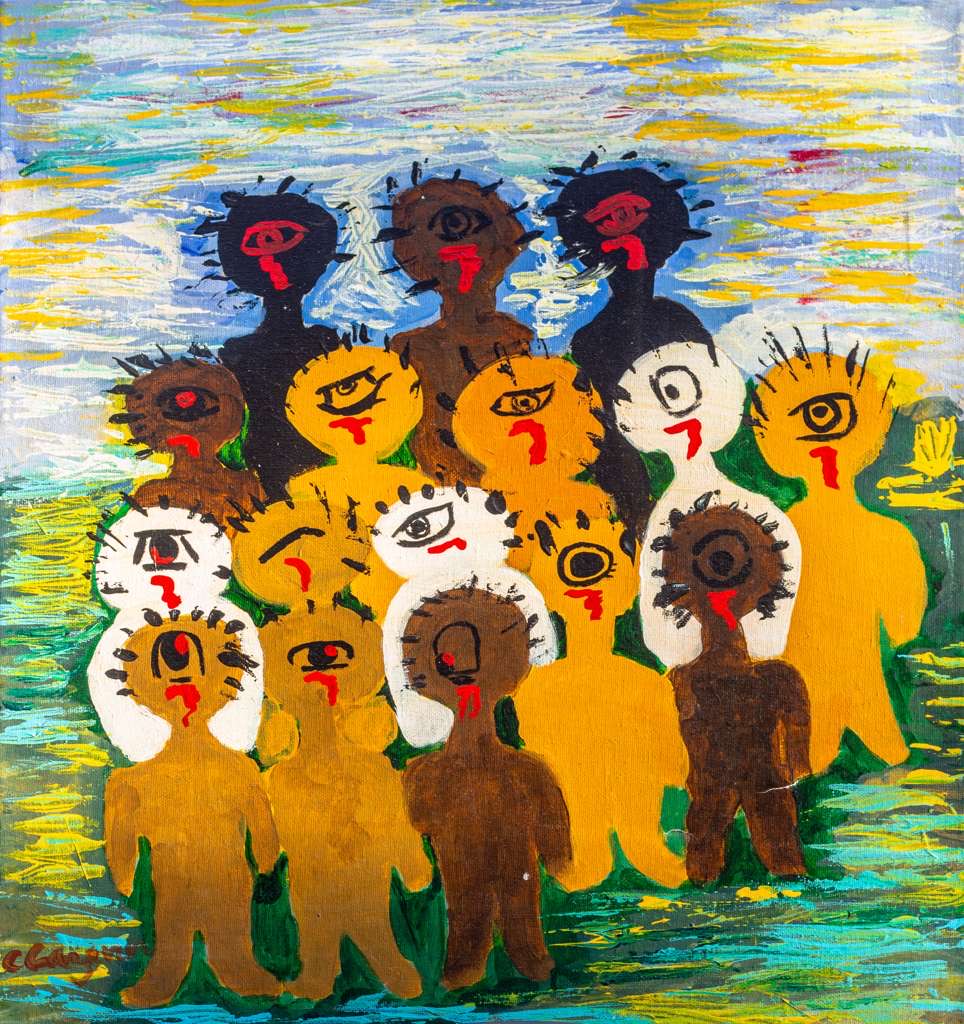
This artwork grew out of a conversation with a friend who wanted to launch a magazine about Afro-Latin and Caribbean cultural identity.
What if we returned to what is essential, to our origins as a people? What if we went back in time to reclaim the practices of our ancestors?
Today, this question is once again on the table, amid all the troubles affecting our society. What if the problem stemmed from a lack of identity? Who am I? Who are you? Who are we as Haitians? What sets us apart from other peoples?

Together, art moves forward.
HAYTIBOBO thanks Pikimen, La Crêtonne Hôtel, Idgie’s, and D&H Luxury for their support.